Elon Musk’s $1 Trillion Pay Deal: A Troubling Display of Corporate Capture
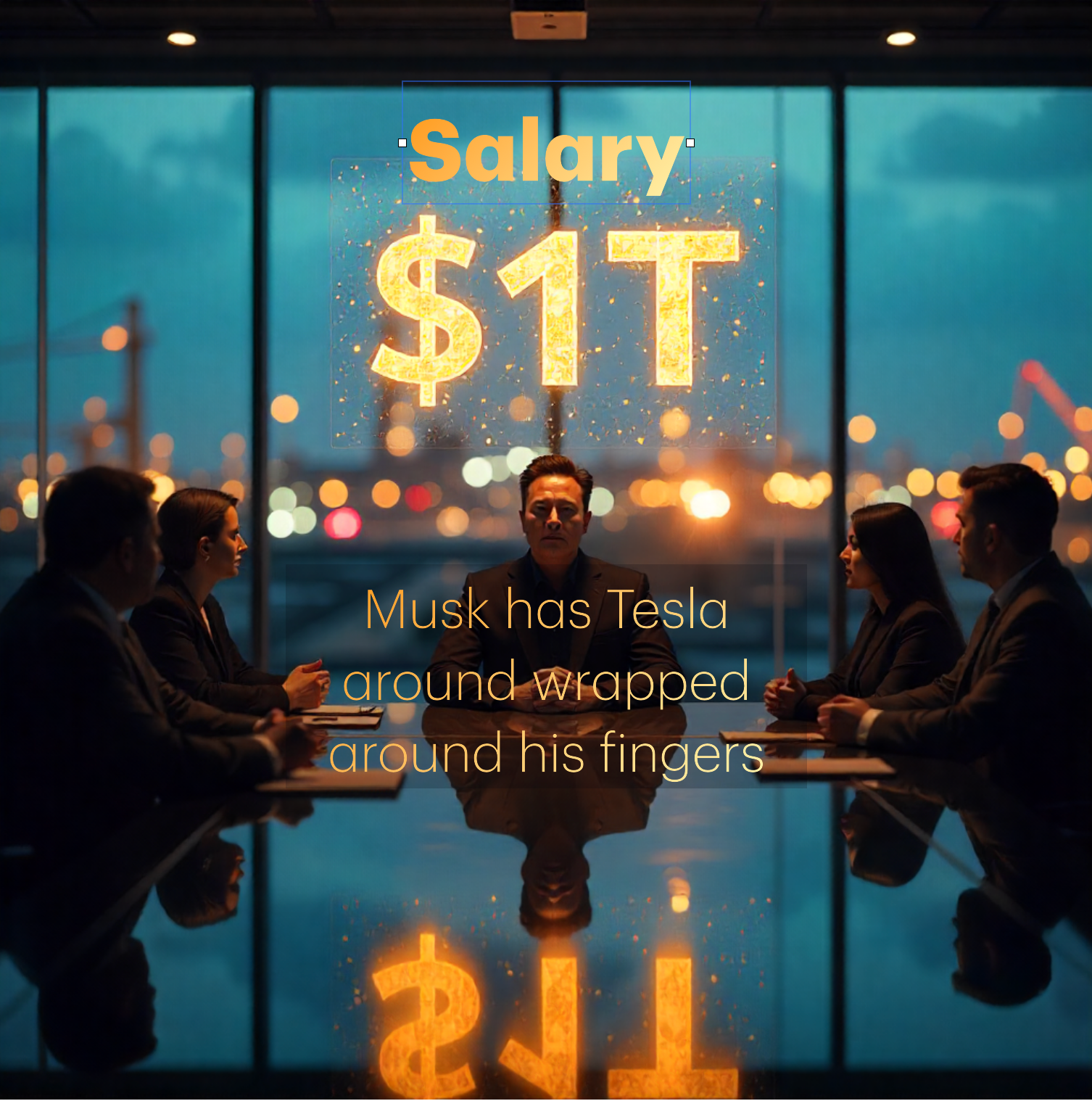
Elon Musk’s new $1 trillion pay package with Tesla is stirring controversial debates in the corporate world. There’s a lot of discussion around Musk’s control over Tesla and what this means for corporate governance.
The Controversial Pay Package
The $1 trillion pay package, ratified by Tesla shareholders, breaks records as the largest in corporate history.
- Tranches and Conditions: The compensation consists of stock options granted over 10 years, vesting only if Tesla hits specific financial targets.
- Shareholder Approval: More than 75% of voters backed the deal, though major advisory firms opposed it.
- Impact on Stakeholders: Critics say this may dilute shareholder value and raises questions about the fairness of executive compensation.
The Argument of Corporate Capture
Critics claim that the Tesla board lacks independence, operating under Musk’s significant influence.
- Lack of Board Independence: Arguments suggest that Musk’s close ties with board members led to this generous pay package.
- Board Composition: Musk’s brother’s presence in the board further fuels these concerns.
- Impact on Governance: This situation highlights potential risks in corporate governance models where CEO power is unchecked.
Board Justification and Legal Challenges
The Tesla board defends its decision, arguing that Musk needs the lucrative package to maintain his focus on Tesla.
- Performance-Based Justification: The board insists that the package depends on Musk achieving exceptional results.
- Previous Legal Rulings: A past pay deal was negated by the courts, and the current arrangement faces similar scrutiny.
- Implications: Legal battles could set future precedents for similar corporate compensation situations.
The Bigger Picture: Governance and Fairness
Musk’s compensation highlights broader debates about corporate governance and executive pay.
- Disconnection from Performance: Many argue that executive pay is often disproportionate to company performance.
- Role of Advisory Firms: Institutions like ISS and Glass Lewis play a critical role in scrutinizing executive compensation.
- Impact on Society: Excessive pay packages contribute to wealth inequality and deteriorate public trust in corporations.
In conclusion, Elon Musk’s $1 trillion pay deal challenges Tesla’s governance and raises questions about fairness in executive compensation. As we navigate discussions on corporate capture and regulatory oversight, this case may shape future corporate compensation practices.
TL;DR Table
| Theme | What’s Happening | Why It Matters |
|---|---|---|
| Musk’s $1 Trillion Compensation | Record-breaking stock option grant over 10 years | Highlights disproportion in executive pay |
| Corporate Capture | Tesla board seen as aligned with Musk’s interests | Raises concerns over corporate governance |
| Legal and Ethical Implications | Ongoing legal scrutiny and ethical debates | Could set precedents for future compensation policies |
For more content like this, go to Reporter Freya.