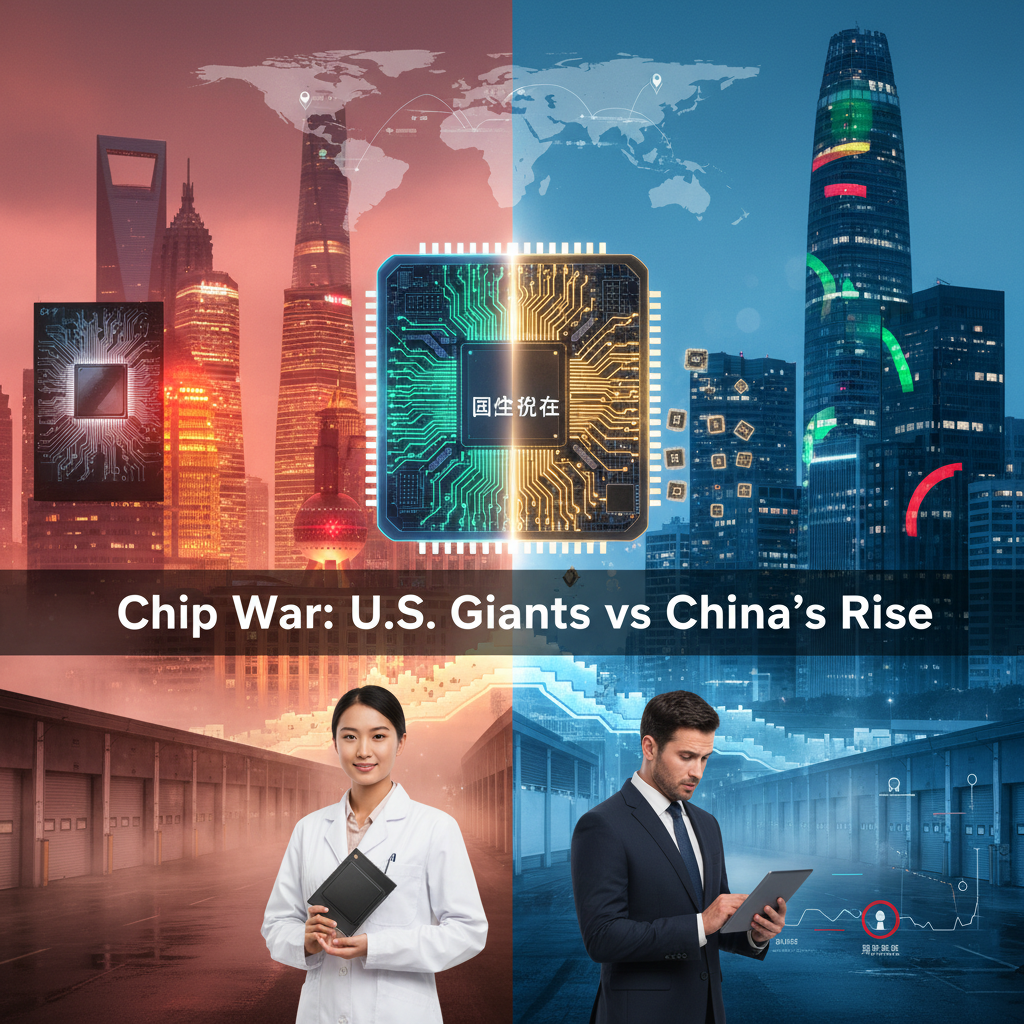
China’s Ban on Foreign AI Chips: Shaping the Future of Technology

Focus Keyword: China bans foreign AI chips
Meta Description: China’s ban on foreign AI chips is reshaping the global tech landscape, impacting U.S. giants like Nvidia and Intel while boosting Chinese firms like Huawei.
China’s recent decision to exclude foreign AI chips from state-funded data centers marks a pivotal moment in global technology dynamics. This strategy has broad-ranging consequences for U.S. chipmakers and domestic Chinese tech firms, heralding a new era of digital rivalry on the world stage.
The Ban on Foreign AI Chips: A Strategic Maneuver
Recent reports confirm that China is banning foreign-made AI chips in its state-funded data centers. This strategic move is designed to:
- Enhance Self-Sufficiency: Reduce reliance on foreign technology by encouraging homegrown innovations.
- Pressure U.S. Companies: Major U.S. chipmakers like Nvidia, Intel, and AMD face significant market losses.
- Nationwide Impact: Affects all new and partially completed data centers across China.
- Consumer Effects: Potential shifts in global AI technology standards impacting user experiences and access in China.
The Impact on U.S. Chipmakers
U.S. tech giants are feeling the sting from China’s protectionist policies:
- Nvidia: Faces heavy revenue losses, particularly from government-related projects.
- AMD and Intel: These companies have fewer AI chip stakes but will still lose substantial opportunities in China.
- Market Realignment: This may lead to a bifurcated global market and new technological benchmarks.
- Economic Ripple: Possible job impacts in the tech sector as companies reevaluate market strategies.
Emergence of Chinese AI Chipmakers
China is turning inward with heightened focus on its own tech firms:
- Huawei: Leads the way with its Ascend series, challenging U.S. dominance in AI technology.
- Alibaba’s Investments: They are bolstering their AI capabilities, intensifying competition.
- Technological Advances: Striving to match or even surpass current U.S. chip capabilities.
- National Pride: Cultivating domestic innovation as a source of national esteem and technological leadership.
U.S.-China Trade Tensions: More Than Just Chips
The ban also highlights broader diplomatic and trade issues:
- Trade Leverage: The U.S. uses restrictions on high-tech exports as bargaining chips.
- Long-term Strategy: Export controls might inadvertently hasten China’s tech independence.
- Global Alliances: Potential reconfiguration of international trade relationships and tech alliances.
- Consumer Adaptation: End-users may experience changes in technology availability and options.
In conclusion, China’s ban on foreign AI chips is a transformative step that impacts international tech strategies and market dynamics. As both countries contest technological supremacy, this development paves the way for a new global order in AI technology.
Your Questions at a Glance
| Theme | What’s Happening | Why It Matters |
|---|---|---|
| China’s AI Chip Ban | Excluding foreign AI chips in state data centers. | Strengthens domestic tech industry. |
| Impact on U.S. Chipmakers | Loss of significant revenue streams from China. | Reshapes global tech market dynamics. |
| Boost to Domestic Production | Encouraging homegrown tech companies to thrive. | Presents challenges and opportunities for future innovation. |
| U.S.-China Trade Relations | Part of broader diplomatic and trade confrontations. | Affects global trade strategies and alliances. |
For more content, visit Reporter Freya.
Tags: China AI Chips Bann, U.S. Chipmakers, AI Technology, Trade Tensions, Domestic Innovation