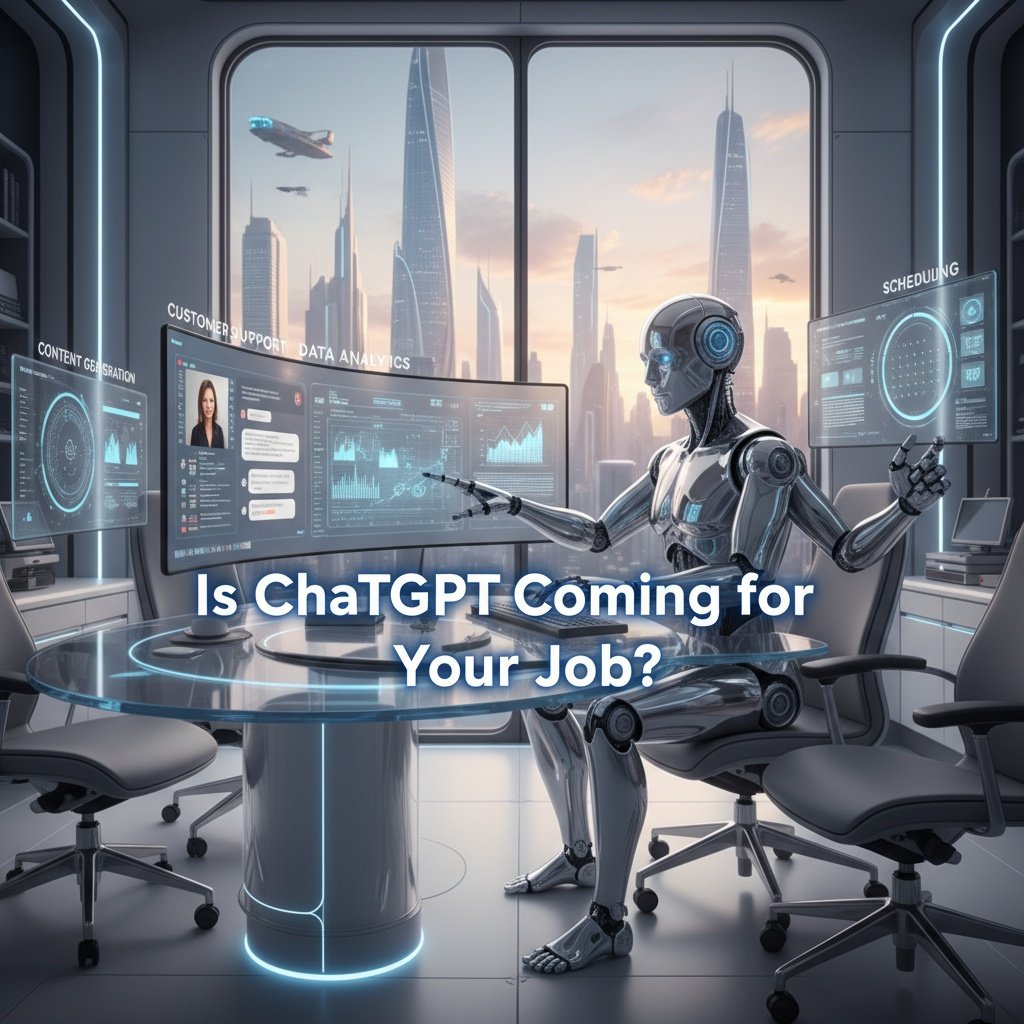
OpenAI Releases List of Work Tasks It Says ChatGPT Can Already Replace
OpenAI has taken a significant step by releasing an evaluation highlighting how ChatGPT can replace various economically valuable tasks. This evaluation shines a light on artificial intelligence’s potential to transform workplace dynamics. In this article, we delve into these tasks and explore the profound implications for businesses and industries worldwide.
The Role of ChatGPT in the Future of Work
As technology evolves, AI models like ChatGPT are increasingly integrated into daily operations. Notably, OpenAI’s recent evaluation presents a list of work tasks that ChatGPT can efficiently perform, encouraging industries to rethink traditional roles. This development could transform numerous sectors, from customer service to data analysis, reshaping how work gets done.
Key Work Tasks ChatGPT Can Replace
While the detailed list from OpenAI wasn’t immediately available, we can explore areas where ChatGPT’s capabilities are already well-established:
- Customer Support: Chatbots powered by ChatGPT can provide 24/7 customer support, handling inquiries with human-like responses, which can reduce staffing needs drastically.
- Data Analysis: ChatGPT can process vast data sets quickly, making it a valuable tool for analysts looking to draw insights without manual labor.
- Content Creation: Automating content creation for blogs, social media, and other platforms broadens the scope of marketing strategies with fewer resources.
- Task Automation: Routine tasks such as scheduling and email filtering can be handled seamlessly, optimizing workflow efficiencies.
The Broader Implications for Industries
The implications of OpenAI’s advancements extend beyond mere task replacement. By embracing ChatGPT, companies can achieve greater efficiency and innovation. For instance:
- **Cost Reduction:** Automation lowers labor costs and human error, allowing reallocations to other areas needing human touch.
- **Scalability:** AI-driven models offer scalability, supporting businesses to expand their reach without proportional increases in staff.
- **Innovation:** The resources and time saved can funnel into research and development.
For further insights into tech innovations, consider visiting ReporterFreya for engaging reads.
Potential Challenges and Considerations
Despite promising opportunities, integrating ChatGPT and similar technologies poses challenges. Ethical concerns surrounding job displacement and maintaining an empathetic customer experience must be addressed. Transparent communication with employees will be crucial to navigate these changes.
Additionally, businesses must consider cybersecurity risks associated with AI to protect sensitive data from potential breaches.
In Conclusion
The release from OpenAI marks a paradigm shift, indicating how ChatGPT can replace various work tasks across industries. As companies integrate AI, they must balance technological advancement with human-centered strategies to ensure a harmonious transition.