The Future of AI Smartphones: Beyond Current Limitations
In 2025, as smartphones become integral to daily life, there’s a quest for a more intelligent companion. AI smartphones promise this evolution by enhancing user interaction, anticipating needs, and simplifying tasks. Let’s dive into what makes current phones frustrating, and explore the transformative potential of AI hardware, operating systems, and applications.

Common Frustrations with Current Smartphones
- App Overload: Navigating multiple apps for simple tasks causes inefficiency.
- Notification Fatigue: Overwhelmed by irrelevant alerts, users’ attention is constantly divided.
- Voice Assistant Limitations: Existing assistants struggle with complex, context-driven commands.
- Dependence on the Cloud: Many AI features require a constant internet connection, raising privacy concerns.
- Impact on Lives: These issues contribute to stress and multitasking inefficiencies.
The Role of AI in Revolutionizing Smartphones
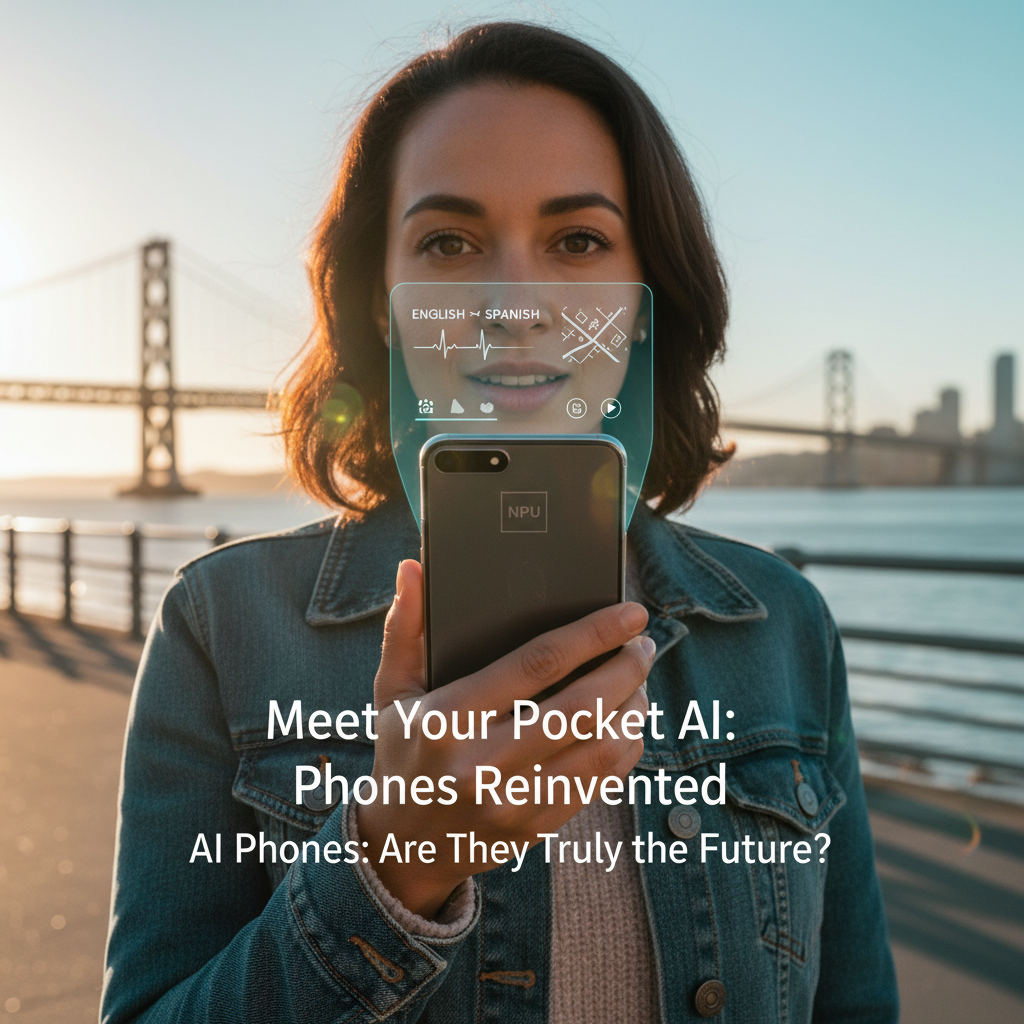
- AI-Centric Hardware: Neural Processing Units (NPUs) handle machine learning tasks efficiently on-device.
- AI Operating Systems: Intent-centric systems anticipate user needs and streamline app usage.
- Generative Applications: Real-time language translation and personalized content creation transform user experience.
- Impact on Lives: Greater efficiency and seamless assistance improve daily productivity.
A Peek into Life with AI Smartphones
- Proactive Digital Assistance: Phones learn user habits to optimize daily schedules.
- Enhanced Environmental Awareness: Detecting surroundings to improve call quality and notification management.
- Barrier-Free Communication: Instant translation capabilities bridge language gaps.
- Health Monitoring: Continuous biometrics analysis for proactive health advice.
- Impact on Lives: Overall enhancement of lifestyle, communication, and well-being.
The Next Evolution: What Comes After Smartphones?
- AI-Powered Glasses: Smart eyewear with augmented reality capabilities may take center stage.
- Hearables: Discreet earpieces that deliver AI-driven auditory assistance.
- Neural Interfaces: Potential for direct brain-computer interaction remains a distant horizon.
- Impact on Lives: Reducing device dependency and enhancing seamless user-technology integration.
Conclusion
The AI smartphone heralds a new era of enhanced personal technology by resolving current limitations and introducing innovative features. As technology advances, devices like AI-powered glasses and hearables could replace conventional smartphones, prioritizing efficient, unobtrusive assistance. The journey towards smarter technology signifies a shift to more time-efficient lifestyles.
| Theme | What’s Happening | Why It Matters |
|---|---|---|
| AI-Centric Smartphones | NPUs and AI OS transform devices from reactive to proactive tools. | Enhances user experience by anticipating needs and reducing friction. |
| Current Smartphone Frustrations | App and notification overload reduce efficiency and increase stress. | Addressing these issues is crucial for better user interaction and productivity. |
| Post-Smartphone Devices | Exploring AI glasses and hearables as future computing interfaces. | Marks a shift to more intuitive, less intrusive technology. |
For more in-depth content visit Reporter Freya.
**Focus Keyword:** AI Smartphones
**WordPress Tags:** AI Smartphones, AI Technology, Future Devices, Neural Interfaces, Smart Glasses