Robotics on Display: XPENG IRON’s Spectacular Debut in Shenzhen
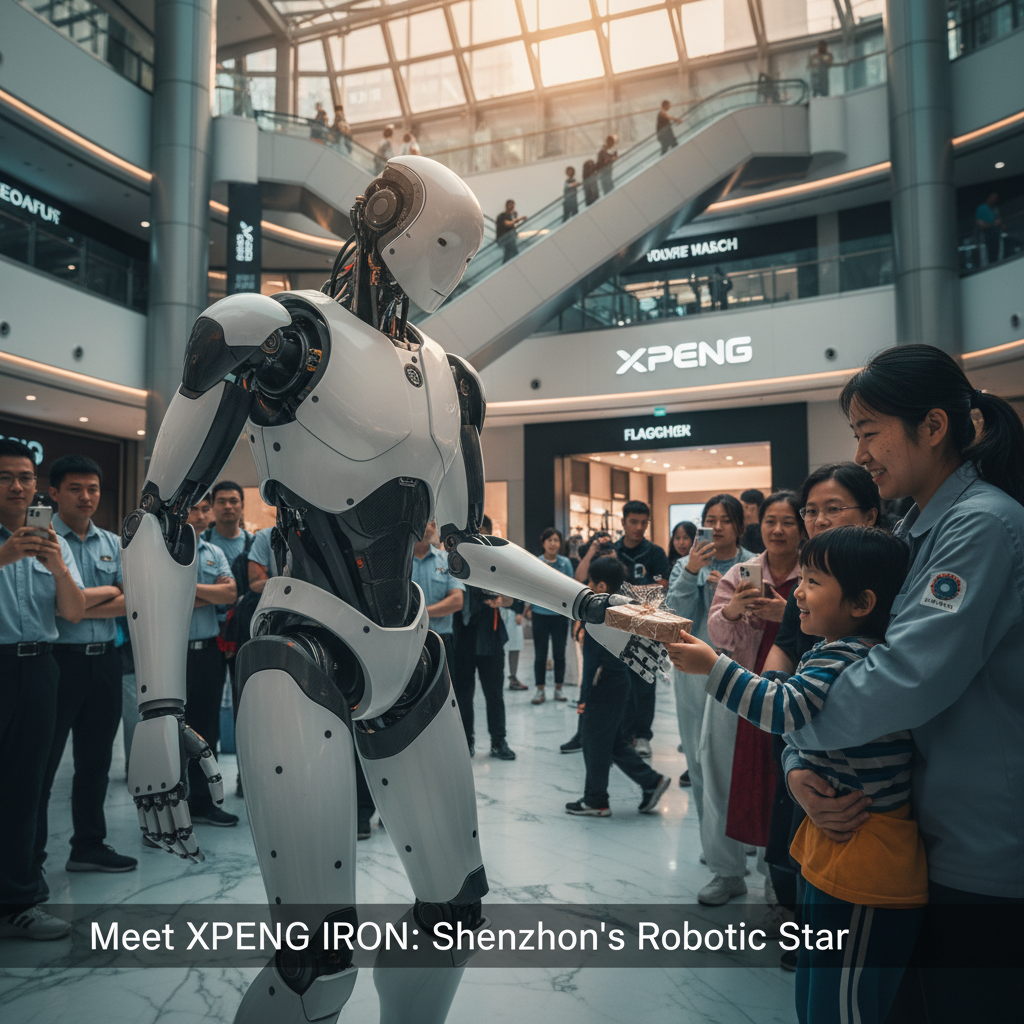
China’s electric vehicle leader, XPeng, showcased its groundbreaking humanoid robot, XPENG IRON, in a spectacular debut at a Shenzhen shopping mall. This pivotal event marks XPeng’s entry into the dynamic world of robotics, demonstrating the convergence of automotive excellence and innovative technology, setting the stage for a future where robotics transforms industries.
XPENG IRON: The Highlight of Shenzhen
The public demonstration of XPENG IRON is a significant event not only for XPeng but also for the global robotics landscape. Here’s what stood out:
- Impressive Showmanship: XPENG IRON was a central attraction at the Shenzhen MixC mall, wowing visitors with its modern design and technical capabilities.
- Technical Specifications: Standing at 173 cm and weighing 75 kg, the robot moves gracefully at 3 meters per second using advanced AI for balance and navigation.
- Real-World Applications: Designed for logistics, hospitality, and cooperative tasks, XPENG IRON showcased abilities like object manipulation.
- AI Integration: With 82 degrees of freedom, AI-driven systems enable XPENG IRON to perform complex tasks and navigate diverse environments.
- Public Engagement: The debut generated significant excitement on social media, underscoring the public’s fascination with the capabilities of humanoid robots.
The Competitive Edge: XPENG IRON vs. Global Players
XPeng is not alone in the humanoid robotics race, competing with global titans like Tesla and Boston Dynamics. Here’s how it stacks up:
- Strategic Position: XPeng is leveraging its success in the EV sector to fuel advancements in robotics, echoing Tesla’s strategic moves.
- Industry Ambitions: Both XPeng and Tesla aim to integrate humanoid robots into their autonomous vehicle fleets by 2026, highlighting a shift towards AI-driven solutions.
- Market Presence: The inclusion of humanoid robots in logistics and customer service roles could redefine operational efficiencies and consumer interactions.
Market Trends and Future Outlook
The humanoid robotics market is on track for explosive growth, driven by various factors:
- Projected Growth: The market is expected to surpass $38 billion by 2030, spurred by advancements in AI and increasing demand in logistics and healthcare.
- Technical Innovations: Edge AI processing and simulation-to-reality training significantly enhance robotic capabilities, promoting real-time decision-making.
- Broad Applications: Beyond logistics and hospitality, humanoid robots are set to make significant impacts in healthcare, retail, and manufacturing.
- Implications for Society: As humanoid robots become more prevalent, they hold the potential to improve efficiencies, though ethical concerns like job displacement need addressing.
Challenges and Future Prospects
While the potential for robotics is vast, the path is lined with challenges:
- Technical Complexities: XPENG IRON’s debut highlighted the ongoing need to enhance stability and performance in dynamic environments.
- Ethical Considerations: Balancing technological progress with social responsibilities remains a critical discourse as robots enter workplaces and homes.
- Innovative Roadmaps: XPeng’s strategy includes launching three robotaxi models along with XPENG IRON by 2026, reinforcing its commitment to leading in AI advancements.
Conclusion: A Step Towards a Robotic Future
XPENG IRON’s debut at Shenzhen exemplifies the rapid pace of innovation in robotics. As XPeng and other industry leaders push boundaries, humanoid robots are set to become integral in various sectors, enhancing productivity and convenience. This event in Shenzhen marks not just a milestone for XPeng but a glimpse into a future where humanoid robots are part of everyday life.
TL;DR Table
| Theme | What’s Happening | Why It Matters |
|---|---|---|
| XPENG IRON Debut | Unveiling at Shenzhen shopping mall | Showcases technological progress in humanoid robotics |
| Competitive Analysis | Comparison with Tesla and Boston Dynamics | Highlights strategic positioning and future ambitions |
| Market Trends | Projected growth and AI advancements | Indicates the expansive future of humanoid robots |
| Challenges | Technical and ethical concerns | Points to areas needing development to ensure successful integration |
For more content, visit Reporter Freya.