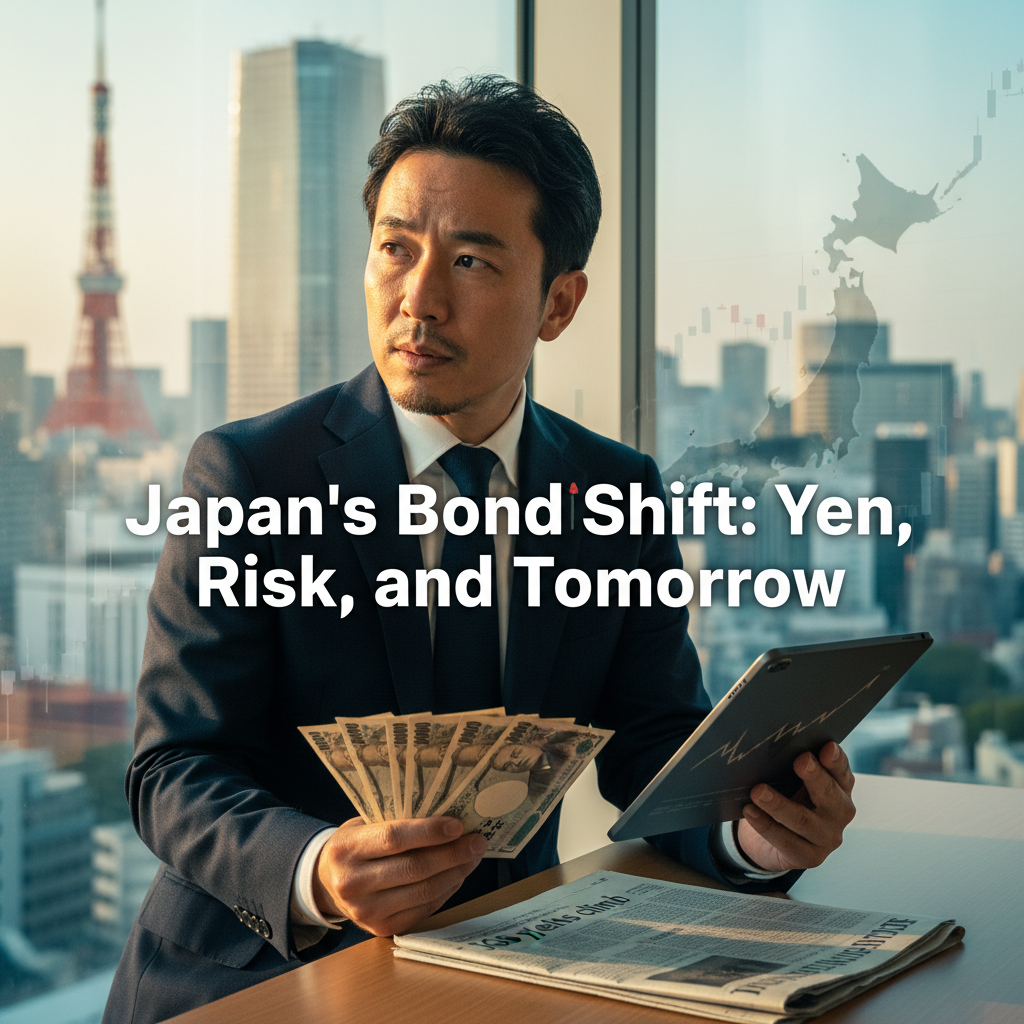
The Transformation of Japan’s Financial Landscape: Yen Carry Trade and Bond Market
Japan’s financial market is undergoing significant changes. From the renowned Yen Carry Trade to shifts in Japanese Government Bonds (JGBs), these financial elements are reshaping due to evolving policies and global dynamics. This article provides a detailed analysis of these developments and their implications for Japan’s economic future.
The Yen Carry Trade: Historical Context and Unwinding
The Yen Carry Trade has been prominent for years, serving as a liquidity source for global markets. Here’s a look at its timeline:
- The Golden Years (2015-2020): Ultra-low interest rates in Japan and rising foreign rates made this trade lucrative.
- Unwinding Dynamics: Initiated by speculation about changes in BOJ’s policy, reducing interest rate differentials and increasing volatility.
- Impact on Investors: Increased risks have pushed investors to seek more sophisticated strategies.
For more insights, you can visit SeakingAlpha for detailed updates.
The Status of Japan Bonds: From “Widow-Maker” to Market Influencer
The Japanese Government Bond market has seen drastic changes:
- Past Trends: Historically known for the “widow-maker” trade due to stubbornly low yields.
- Current Shifts: Yields have been rising recently due to inflation increases, policy adjustments, and more bond issuances by the government.
- Implications: Rising yields challenge Japan with higher borrowing costs and potentially destabilizing global markets accustomed to low yields.
To learn more about these shifts, see the Wall Street Journal.
Japan’s Current Economic Landscape: A Turning Point
Japan stands at a critical economic juncture, dealing with multiple challenges:
- Demographic and Economic Challenges: An aging population and high debt levels are major concerns.
- Political Climate: Prime Minister Kishida’s administration is under pressure amid low approval ratings and scandals.
- Impact on Citizens: Economic policies and changes directly affect job markets and social security systems.
For a broader perspective, check out The Economist’s Japan Section.
Future Probabilities: Where is Japan Heading?
The future of Japan’s economy and financial stability is uncertain, with two possible scenarios:
- Optimistic Outlook: Successful reforms and a smooth policy transition could lead to renewed growth.
- Pessimistic Outcome: Neglecting structural issues could result in economic stagnation.
To stay updated on Japan’s economic conditions, visit the Deloitte Economic Outlook.
Conclusion
Japan’s economic landscape is evolving, significantly impacting global markets. The Yen Carry Trade is unwinding, while Japanese bonds are undergoing a pivotal transformation. The country’s economic future remains in the balance, influenced by policy decisions and structural reforms. Observing Japan’s progress is crucial for investors and economic analysts alike.
TL;DR Table
| Theme | What’s Happening | Why It Matters |
|---|---|---|
| Yen Carry Trade | Unwinding due to policy shifts and volatility | Increased risk for investors and global liquidity shifts |
| Japanese Bonds | Yields rising, government issuing more bonds | Higher government borrowing costs, affecting fiscal policy |
| Japan’s Economy | Facing demographic and political challenges | Critical for economic stability and growth sustainability |
Tags: Yen Carry Trade, Japan Bonds, Japanese Economy, Financial Markets, Bond Market
“`