China Bans OnlyFans: A Comprehensive 2026 Analysis
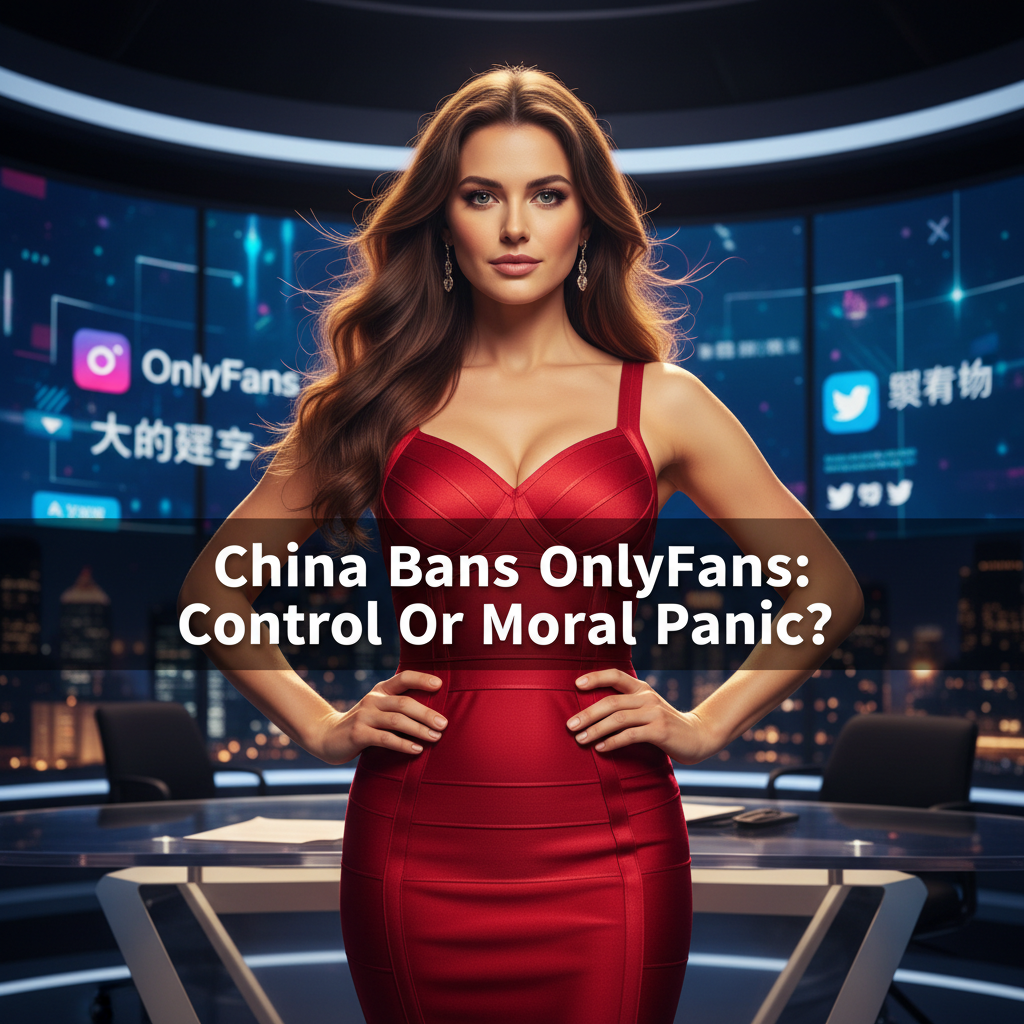
Introduction: In March 2026, China officially banned OnlyFans, citing conflict with socialist values and public morality. This move, aligned with China’s cultural purification efforts, addresses concerns over content standards, data sovereignty, and cultural sovereignty. Let’s explore the nuances of this decision and its far-reaching consequences.
Official Announcement & Legal Framework
The ban on OnlyFans marks a significant move by the Cyberspace Administration of China (CAC), citing significant concerns:
- Content Standards: OnlyFans’ explicit material violates China’s stringent anti-pornography laws, deemed detrimental to societal values.
- Data Sovereignty: Failure to comply with China’s strict data localization mandates fueled the decision.
- Cultural Sovereignty: The platform is seen as propagating “Western disease,” potentially eroding traditional Chinese values.
Enforcement Mechanisms
To effectively implement the ban, China leveraged several technological and legal strategies:
- Technical Measures: Advances in AI-enabled content detection have empowered authorities to track and block VPN traffic aimed at OnlyFans.
- Financial Penalties: Financial systems like Alipay and WeChat Pay are instructed to halt any transactions associated with the platform.
- Legal Consequences: Users found breaching these rules face fines up to ¥50,000 ($7,000) as per the amended cybersecurity laws of 2026.
Economic & Social Impact
The socioeconomic ripple effects of banning OnlyFans have been pronounced, affecting several sectors:
- Creator Economy: Approximately 120,000 Chinese creators have experienced significant income losses, estimated at over ¥800 million ($112 million) per year.
- VPN Surge: The increased demand for Virtual Private Networks surged by 300%. However, 65% of these efforts were thwarted by advanced state-backed AI monitoring tools.
- Domestic Alternatives: Platforms such as FansGo and XiuLi have gained popularity, operating under strict content moderation aligned with national guidelines.
- Social Fabric: The impact on creators and users highlights a tightening grip on digital freedom and expression.
Comparative Analysis with Past Bans
China’s approach toward OnlyFans is part of a historical pattern of banning foreign platforms:
| Platform | Reason | Enforcement Strategy |
|---|---|---|
| OnlyFans | Moral decay, data non-compliance | AI detection, payment blocking |
| Data privacy concerns | Full IP blockage since 2009 | |
| Censorship disputes | Partial blockage, redirected to Bing |
Unlike prior bans, the focus on OnlyFans extends beyond data concerns to cultural and moral dimensions, emphasizing the Chinese administration’s intent to manage cultural imperialism and regulate sexual content.
Public & International Response
Responses to the OnlyFans ban have been varied, reflecting diverse perspectives:
- Domestic Sentiment: Social media platforms saw hashtags like #CreatorsLoseIncome trend with 18 million views. Simultaneously, state media promoted the ban as a positive step in “protecting youth.”
- Global Criticism: International bodies, like the EU Digital Services Act, criticized the ban as a breach of digital free speech. U.S. policymakers also reprimanded the action for undermining internet freedom.
Such reactions underscore the global debate over the balance between cultural regulation and digital rights.
Future Implications
The repercussions of the 2026 OnlyFans ban could shape future regulatory landscapes:
- AI-Driven Censorship: China’s strategy suggests an increasing reliance on artificial intelligence for content moderation, which other nations might adopt.
- Regulations in New Sectors: Analysts predict the extension of these tough regulations to live-streaming platforms and virtual influencers, necessitating ideological compliance.
- Global Ripple Effects: The decision may incentivize global platforms to rethink their strategies in China, potentially leading to broader discussions regarding cultural sovereignty and technological governance.
Conclusion: China’s OnlyFans ban represents a landmark stance on regulating foreign digital content. While protecting cultural values is crucial, global criticism continues to highlight the fine line between cultural regulation and suppression of digital freedoms. As digital landscapes evolve, ongoing dialogues will shape the future of cross-border internet governance.
TL;DR Table
| Theme | What’s Happening | Why It Matters |
|---|---|---|
| Banning OnlyFans | China bans OnlyFans citing morality and sovereignty | Highlights China’s censorship approach towards cultural preservation |
| Enforcement Measures | Technical and financial controls applied | Shows the lengths to which China will go to enforce bans |
| Global Response | Mixed reactions from citizens and international bodies | Raises concerns about freedom of speech and expression |
For more detailed insights, visit our website.