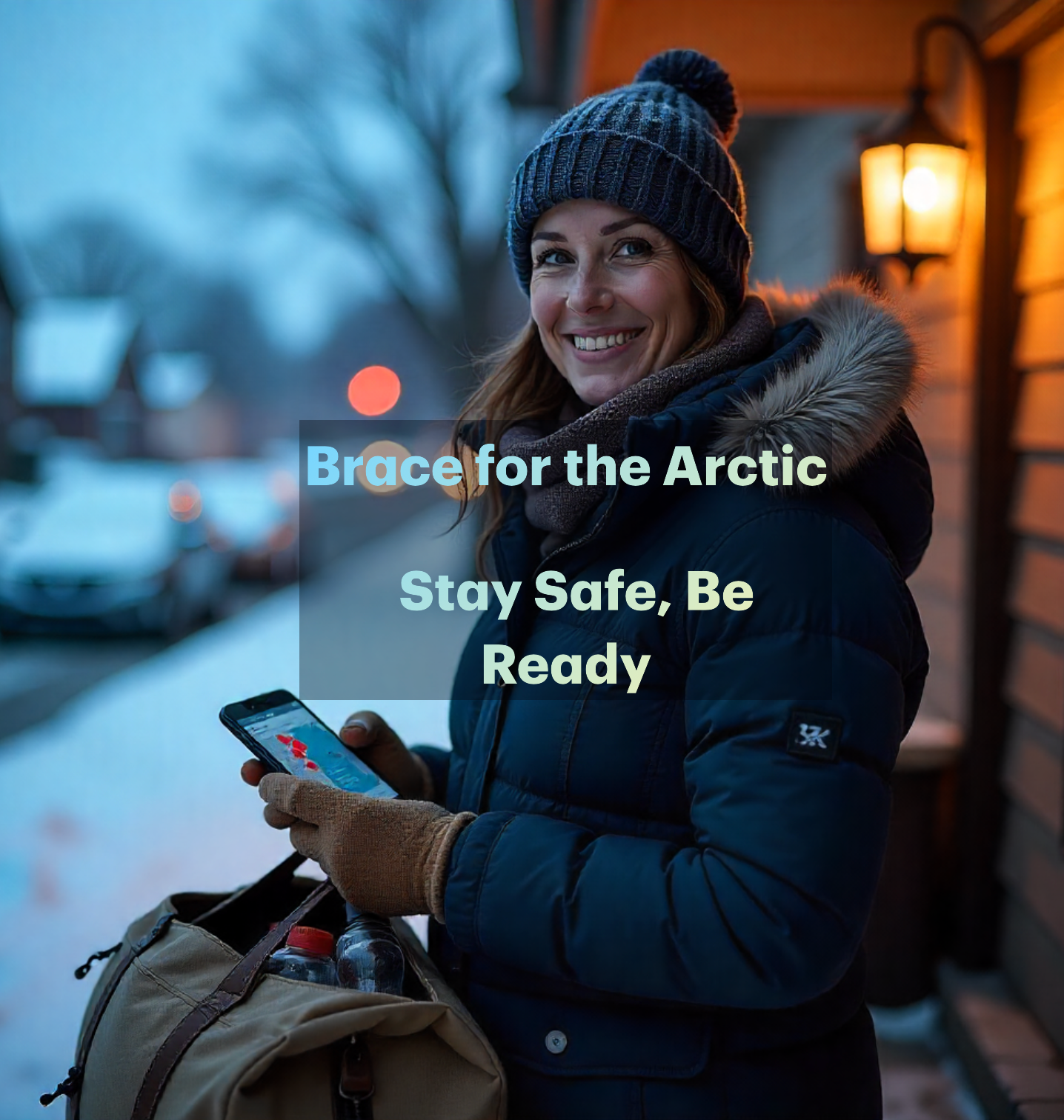
Arctic Blast: Impact of Frigid Temperatures Across the U.S.
More than 84 million people across the United States are bracing themselves as an Arctic blast descends, bringing temperatures 10 to 25 degrees below normal. This weather phenomenon is causing a sweeping impact from coast to coast, with several states placed under winter weather alerts. Understanding the causes and implications of this cold surge is essential.
Understanding the Arctic Blast
The Arctic blast is a meteorological event characterized by frigid air masses moving southward from the Arctic region into lower latitudes, significantly impacting weather patterns across the U.S.
- Cause: A shift in the polar vortex allows cold Arctic air to spill southward.
- Effect: Rapid temperature drops, increased wind speeds, and intensified storm systems.
This unusual cold snap often occurs in winter months, disturbingly altering the regional climate, which can have cascading effects on various sectors including transportation, health, and agriculture.
The Scope of Impact
The Arctic blast impacts different areas and sectors variably, and its effects can be both immediate and long-lasting.
- Urban areas: Expect increased energy consumption as heating demands rise; power outages may occur.
- Rural communities: Farmers may face challenges due to crop damage and livestock stress.
- Health concerns: Increased risk of hypothermia, frostbite, and cold-related illnesses.
- Transportation: Icy roads and snow can lead to hazardous driving conditions and flight delays.
The harsh weather conditions prompted officials to issue advisories, urging residents to prepare for emergencies by stocking up on essentials and taking necessary precautions to stay warm.
Adaptation and Preparedness
With climate events like the Arctic blast becoming more frequent, strategies for adaptation and preparedness are increasingly essential.
- Preparedness plans: Communities should invest in developing robust emergency response plans and infrastructure.
- Public awareness: Educate the public on safety measures such as securing homes, ensuring cars are winter-ready, and remaining informed through reliable weather channels.
- Infrastructure upgrades: Strengthening power grids and transportation systems to withstand severe weather fluctuations.
The onus is on both individuals and governments to mitigate risks and improve responses to similar cold weather events in the future.
Looking Forward: The Role of Climate Change
The frequency and intensity of Arctic blasts are being influenced by overarching climate change, urging a closer look at global warming’s role in exacerbating extreme weather events.
- Research trends: Studies suggest a link between warming Arctic temperatures and shifts in jet streams triggering cold waves.
- Global implications: These weather changes not only impact the local environment but also ripple out affecting global climate patterns.
- Policy implications: There is a growing call for policies that reduce carbon footprints and invest in sustainable, resilient infrastructure.
Understanding and addressing climate change’s impacts is crucial in adapting to and mitigating future Arctic blasts and other severe weather phenomena.
TL;DR Table
| Theme | What’s Happening | Why It Matters |
|---|---|---|
| Arctic Blast | Frigid temperatures 10-25 degrees below normal. | Affects daily life and prompts weather alerts. |
| Impact | Increased energy use, health risks, and travel hazards. | Impacts health, economy, and logistics. |
| Preparedness | Need for emergency plans and infrastructure upgrades. | Protects communities and minimizes disruptions. |
| Climate Change | Plays a role in frequency and severity of cold snaps. | Highlights need for sustainable policy changes. |
The Arctic blast sweeping across the U.S. underscores the vulnerability of human and natural systems to extreme weather events. While immediate impacts can be mitigated through preparedness and adaptation strategies, long-term resilience will depend on addressing climate change and bolstering infrastructure. Stay informed and ready as the nation navigates these icy challenges.
For more in-depth weather-related articles, visit Reporter Freya.