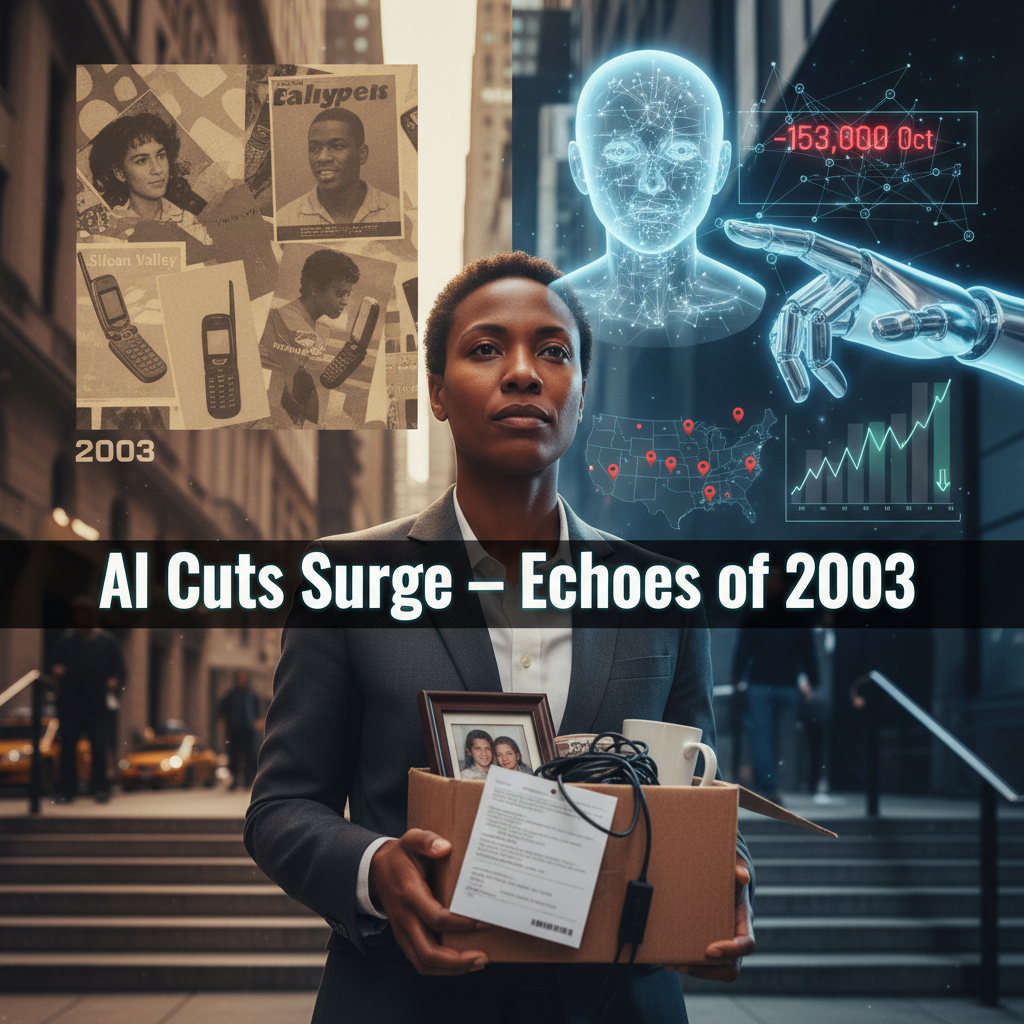

Bill Gates Says: If Robots Take Your Job, They Should Pay Taxes Too 🤖💰
Bill Gates, the visionary co-founder of Microsoft, suggests that robots replacing human jobs should be taxed, intertwining innovation with responsibilities to society.
The “Robot Tax” Concept
Bill Gates’ notion of a “robot tax” surfaces from the imbalance automation creates in economic contributions:
- Robots boost productivity but reduce tax revenue from incomes.
- Companies enjoy profit increases without commensurate social costs.
- Taxing robots could fund worker retraining, social services, and potentially Universal Basic Income (UBI).
Why Support a Robot Tax?
Proponents like Gates argue that a robot tax could:
- Address Inequality: Redistribution from companies to affected workers.
- Fund Future Work: Providing resources for education and retraining.
- Enhance Social Cohesion: Preventing unrest through better safety nets.
- Build a Fair Tax System: Ensuring companies contribute to societal well-being.
- Impact on People: Eases transitions during job displacement due to automation.
Criticism of the Robot Tax
Critics present arguments against a robot tax, emphasizing:
- Innovation Deterrence: Higher costs could slow technological progress.
- Ambiguity in Definition: Complexities in defining what qualifies as a “robot”.
- Historical Context: Technological shifts often create new job sectors.
- Protectionism: Viewed as resistance to inevitable technological advances.
- A Tax on Capital: Could potentially discourage investment and economic growth.
Global Views and Steps Forward
Various international viewpoints and actions provide insight:
- European Union: Has debated but not yet implemented such taxes source.
- South Korea: Reduced automation tax incentives as a preliminary step.
- Focus on AI in Tax Debates: Growing concern as AI assumes more roles traditionally held by humans.
Conclusion: The Future of Work and Taxes
The “robot tax” exemplifies debates around the societal impact of technological progress. While the proposal has stirred reactions both for and against, its core intent—a balanced, equitable economic evolution—remains enduringly relevant. Collaborative solutions will define how we responsibly integrate automation into the workforce.
TL;DR Table
| Theme | What’s Happening | Why It Matters |
|---|---|---|
| Robot Tax Idea | Tax companies benefiting from automation | Addresses revenue loss and supports displaced workers |
| Supporting Arguments | Redistribute wealth and aid worker transition | Promotes fairness and mitigates inequality |
| Criticism | Potentially stifles innovation and defines robots vaguely | Could hinder economic growth and complicate policy |
| Global Perspective | EU and South Korea show interest | Global dialogue on equitable tech integration |