Introduction
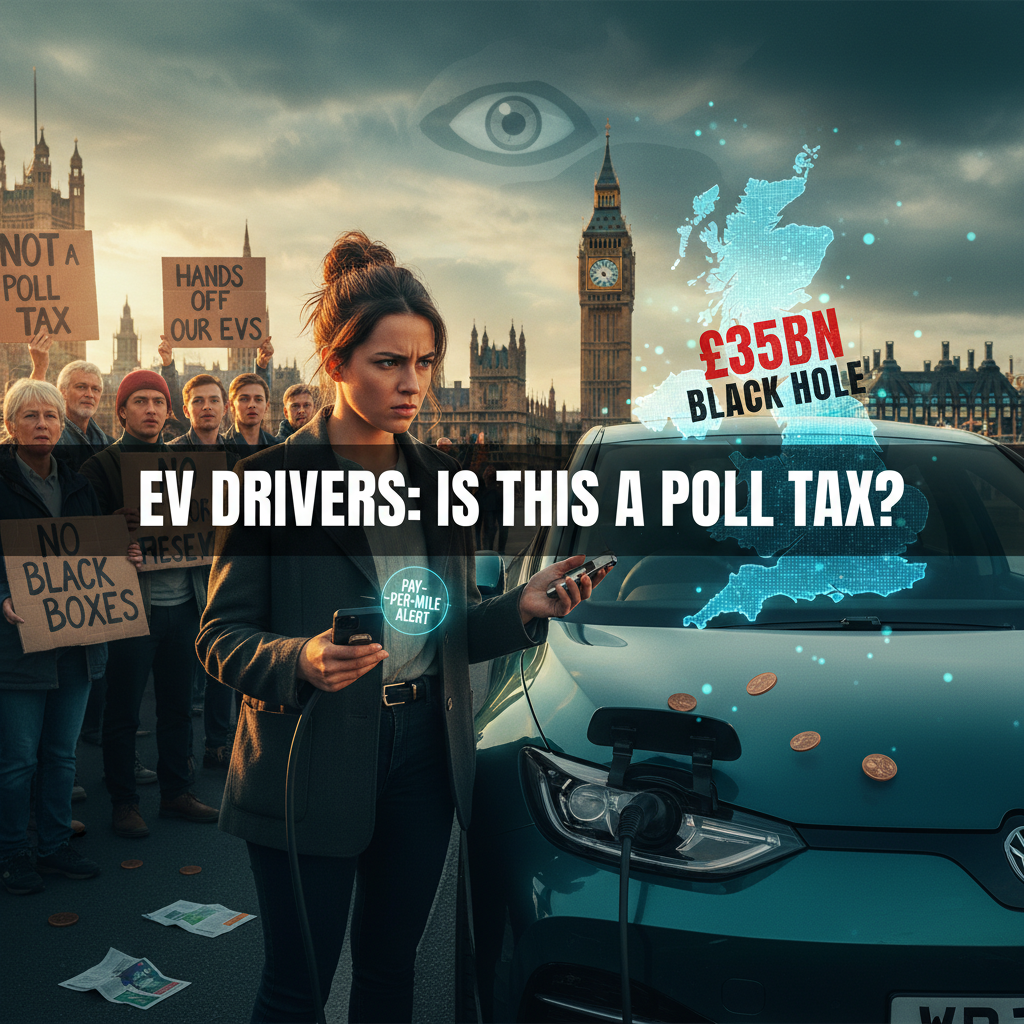
“First they tempted you to go electric with freebies and when you do, they tax you” says F S Jain. The proposed pay-per-mile tax on electric vehicles (EVs) by the UK Chancellor threatens to turn the electric motoring dream into a fiscal nightmare, echoing sentiments of the infamous “poll tax”. This tax may overturn previous government incentives, posing a new challenge for EV drivers.
The Electric Dream Becomes a Nightmare?
The UK government has long encouraged the adoption of electric vehicles as part of its commitment to reducing carbon emissions. Generous subsidies, exemption from Vehicle Excise Duty (VED), and grants were offered to incentivize this shift.
- Subsidies and Incentives: The government previously offered financial aid and tax benefits to accelerate EV adoption.
- Environmental Commitment: Encouraging EVs aligns with global climate change targets and greener transport solutions.
- Reversal of Policy: The proposed pay-per-mile tax is seen as a U-turn in policy, risking disenchantment among EV owners.
- Impact on EV Owners: EV drivers feel betrayed as their investments, endorsed by government incentives, face a potential penalty.
- Public Sentiment: This tax is compared to the ‘poll tax’, which faced backlash for its perceived unfairness and regressive nature.
The £35 Billion Black Hole: Why the Government is Panicking
The rationale behind the proposed tax is the significant decline in revenue from traditional motoring taxes such as fuel duty and VED, which have traditionally funded public services and infrastructure.
- Revenue Gap: The transition to EVs has created a potential £35 billion shortfall in the Treasury’s finances.
- Modernization Needs: There is a push to reform the outdated tax system to be fit for today’s electric age.
- Financial Pressure: Addressing the “black hole” is crucial for sustaining public spending and infrastructure investment.
- Impact on Society: The tax implications could place a financial burden on those who have made environmentally driven motoring choices.
“Big Brother is Watching”: The Sinister Side of Pay-Per-Mile
The implementation of the pay-per-mile tax would likely involve telematics or “black box” systems in vehicles, raising significant privacy concerns among the public.
- Tracking Technology: The use of telematics involves tracking vehicles’ movements via a black box, sparking privacy fears.
- Surveillance Concerns: There is anxiety about government overreach and monitoring of personal travel habits.
- Public Opposition: Privacy advocates argue against such intrusive measures, fearing misuse of movement data.
- Social Impact: The perception of increased surveillance may deter potential EV buyers concerned about personal data security.
Conclusion
The proposed pay-per-mile tax for electric vehicles, while addressing fiscal challenges, risks being seen as a “poll tax on wheels”. Balancing public finances with citizens’ expectations and commitments to environmental goals remains a tricky path. Only insightful policy crafting and public engagement will envisage a sustainable future for UK’s motoring.
TL;DR Table
| Theme | What’s Happening | Why It Matters |
|---|---|---|
| Electric Vehicle Incentives | Encouragement through subsidies and tax exemptions | Vital for climate goals, now potential policy U-turn |
| Revenue Shortfall | £35 billion gap due to switch to EVs | Needs addressing to fund public services |
| Privacy Concerns | Implementation of telematics for tax calculation | Raises fears of government surveillance |
For more content, visit Reporter Freya.

Tags: Electric Vehicles, UK Budget, Pay-Per-Mile Tax, Climate Change, Public Policy