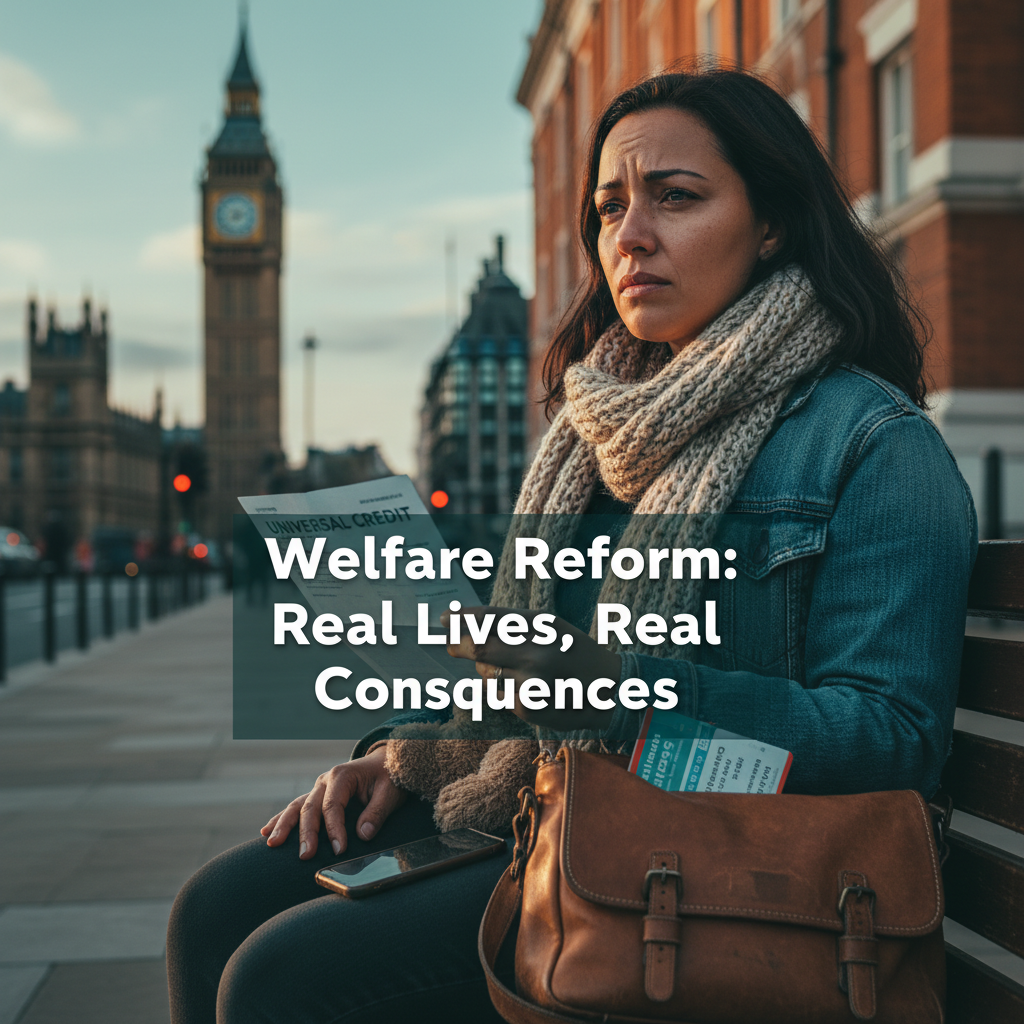
Understanding the UK’s Benefits Bill and Welfare Reforms
The latest welfare reforms proposed by the UK government aim to restructure benefits and promote work, tackling the economic challenges the country faces today. In this article, we delve into these reforms, their objectives, challenges, and their impact on individuals in society.
What is the UK Government Trying to Do?
The UK’s Benefits Bill and Welfare Reforms, initiated by the Labour administration under Chancellor Rachel Reeves, aim to address several pressing issues within the current welfare system.
- Promoting Work and Tackling Poverty: The government emphasizes the belief that work is the most sustainable way to combat poverty, ensuring that it always “pays to work.”
- Simplifying the System: The expansion of Universal Credit aims to merge various benefits into a streamlined monthly payment, easing navigation for claimants.
- Controlling Costs: Efforts are focused on reducing the fiscal burden by tackling fraud and reducing long-term dependency on benefits.
- Supporting Vulnerable Individuals: There’s a commitment to protect those unable to work, especially the severely disabled and those with health conditions.
Nature of the Problem
The call for reform stems from several longstanding problems in the UK’s welfare system:
- Rising Costs: Successive governments face challenges of curbing large welfare spending.
- Work Disincentives: The “poverty trap” where individuals can become financially worse off by transitioning to low-paid work is a major concern.
- Complexity of the System: Multiple and overlapping benefits often lead to claimant confusion and errors.
- Increasing Long-Term Benefits Dependency: Particularly with sickness benefits, there’s a growing concern about the rise in claimants with mental health conditions.
Impact on People
- Positive Outcomes: Streamlined benefits might ease transitions between employment states.
- Challenges for Claimants: Complexities and the risk of financial hardship during the transition to Universal Credit.
Government’s Reform Options
The government is exploring several options to reform welfare:
- Implementing Universal Credit: A single monthly payment that adapts to changes in income.
- Revised Work Capability Assessments: Focused on identifying what people can do to provide more personalized work support.
- Investment in Work Rehabilitation: Includes a £1 billion investment in employment support for the sick and disabled.
- Stricter Sanctions: A tougher approach towards those not actively seeking employment.
- Increased Taxation: Some citizens will experience tax changes as part of the reform’s funding strategy.
Impact on People
The impact of these reforms varies significantly:
- Positive Impacts: Simplification of the system may benefit those moving in and out of work.
- Financial Hardship Concerns: The transition to Universal Credit is causing some financial difficulties due to delays.
- Concerns for Disabled Individuals: Reformed Work Capability Assessments could push individuals into unsuitable work.
- Digital Access Issues: “Digital by default” services might exclude those without internet access.
Overall Impact
- Anxiety Among Claimants: Increased fear of unfair sanctions due to the tougher regime.
Conclusion
The UK’s Benefits Bill and Welfare Reforms aim to rectify a complex system and reduce dependency on the welfare state while promoting employment. However, the transition is fraught with challenges, impacting various societal groups differently. The government’s commitment to aligning welfare with work might lead to positive long-term economic benefits, but immediate challenges remain to be addressed.
TL;DR Table
| Theme | What’s Happening | Why It Matters |
|---|---|---|
| Promoting Work | Encouraging employment as a way to tackle poverty. | Sustainability of income and economic stability. |
| Simplifying Benefits | Universal Credit replaces multiple legacy benefits. | Reduces complexity and streamlines claimant experience. |
| Controlling Costs | Efforts to reduce fraud and benefit dependency. | Helps manage the national budget and supports economic growth. |
GOV.UK
Hansard – UK Parliament
The Health Foundation
For more content, please visit Reporter Freya.
Tags: UK’s Benefits Bill, Welfare Reforms, Universal Credit, Rachel Reeves, UK Government